


A319, Nice France, 2019

A319, Nice France, 2019

Summary

On 29 August 2019, an Airbus A319 crew used more runway than expected during a reduced thrust takeoff from Nice, although not enough to justify increasing thrust. It was subsequently found that an identical error made by both pilots when independently calculating takeoff performance data for the most limiting runway intersection had resulted in use of data for a less limiting intersection than the one eventually used. The Investigation concluded that the only guaranteed way to avoid such an error would be an automatic cross check, a system upgrade which was not possible on the particular aircraft involved.

Description

On 29 August 2019, an Airbus A319 (G-EZBI) being operated by Easyjet on a scheduled international passenger flight from Nice to Newcastle and departing Nice in day VMC became airborne with less runway ahead than the experienced Captain in command was expecting and routine flight data analysis subsequently found that the wrong performance data had been independently calculated by both pilots.

Investigation

A Serious Incident Investigation was carried out by the UK AAIB in order to seek to establish how the errors made had gone undetected and the actual risk which had resulted. It was noted that the 62 year-old Captain had a total of 19,991 hours flying experience which included 7,235 hours on type. The flying experience of the First Officer was not recorded.

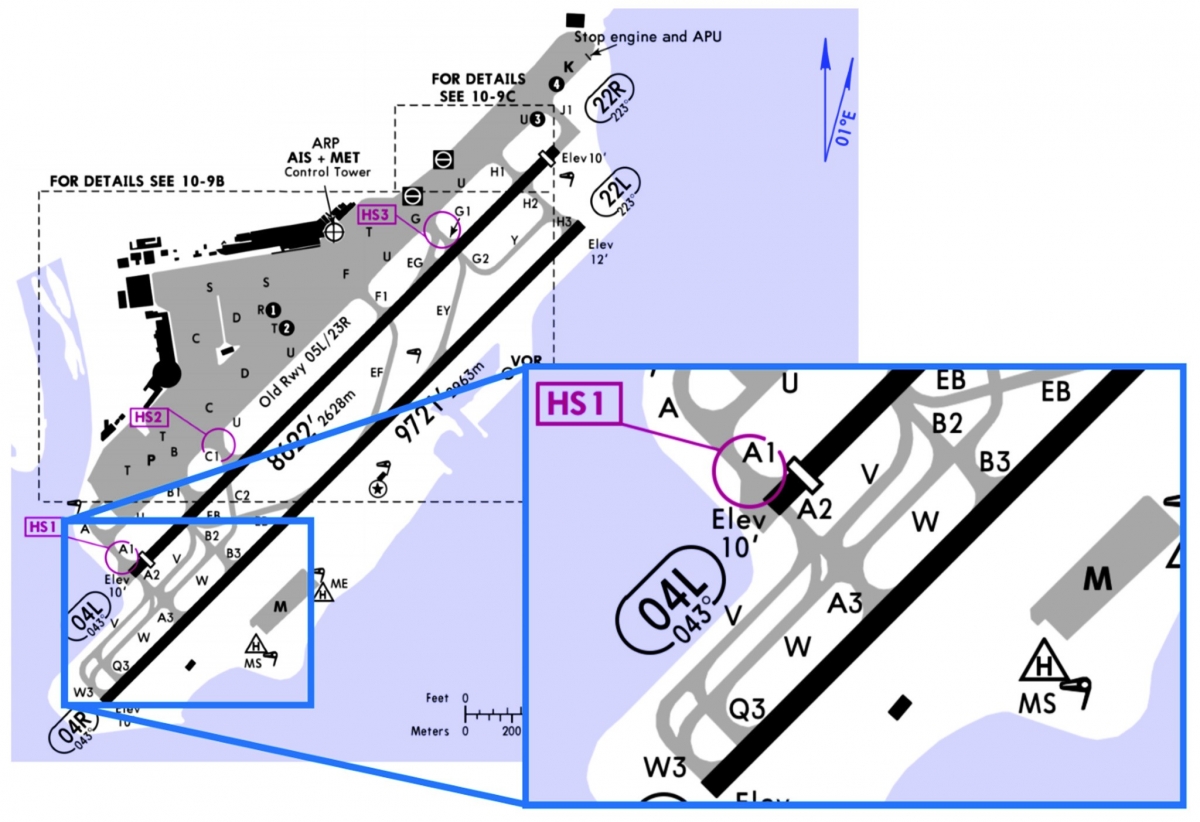
It was established that during pre flight preparations, the flight crew had decided to calculate takeoff performance for departure runway 04R from B3, the most limiting intersection they were likely to be able to use (see the illustration below). The subsequent cross check of their independent performance calculations disclosed a 1 knot discrepancy in calculated takeoff speeds which was considered acceptable and the most conservative figures were input to the FMC.

The full content of this page is available to registered users only.
Please Log in or Register

SKYbrary Partners:

Safety knowledge contributed by: